Effective Warehousing Solutions for Your Organization Necessities
Efficient storage systems are crucial in modern commercial activities. They impact stock precision, lead times, and overall output. Companies increasingly rely on advanced technologies to enhance their storage capacity. However, the implementation of these systems varies widely. Grasping the subtleties can lead to substantial enhancements. What are the particular approaches and technologies that can convert a warehouse into a efficient operational center? Investigating these elements reveals important findings.
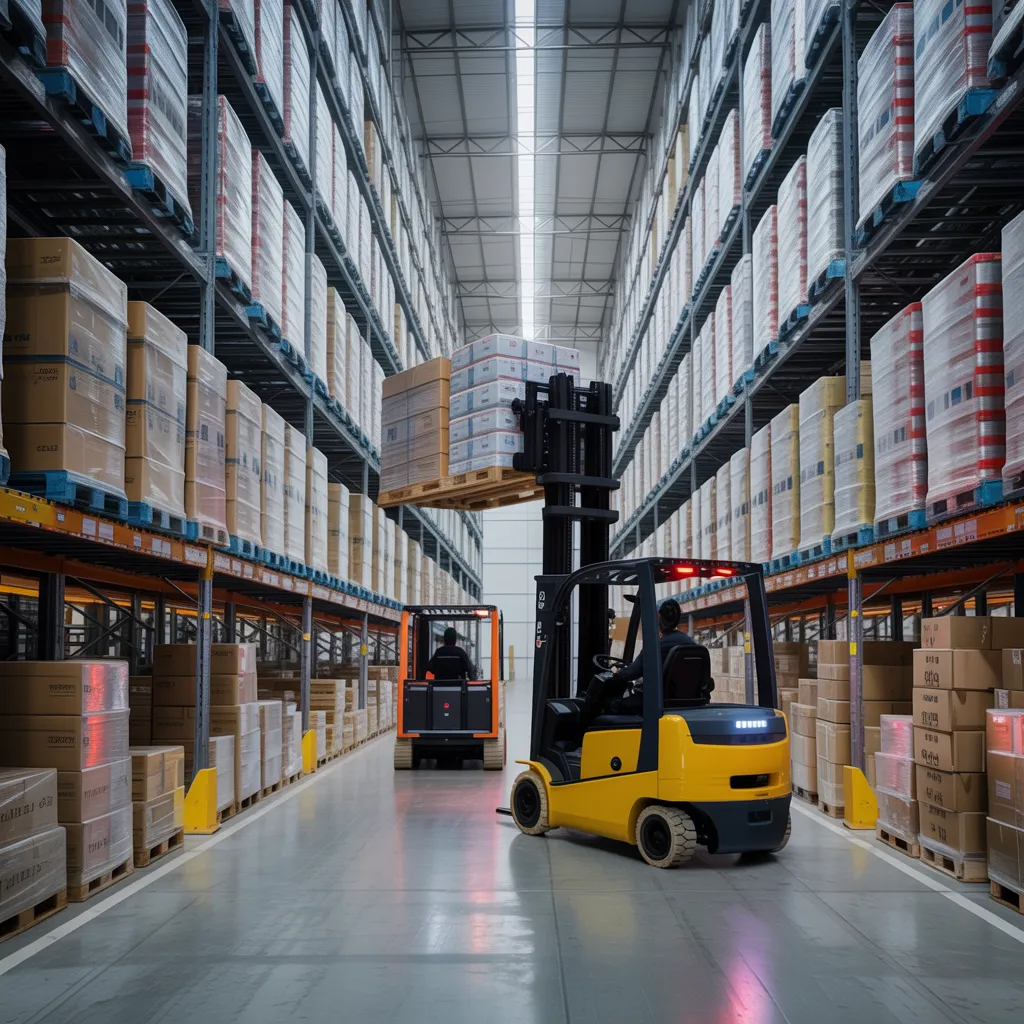
The Significance of Efficient Warehousing Solutions
Efficient warehousing is essential for strengthening supply chain operations. A carefully structured warehouse can greatly impact a business's capacity to satisfy customer demands promptly. By reducing lead times and preventing errors, efficient warehousing ensures confidence that products are promptly organized and retrieved, thereby enhancing overall productivity. Refined processes also facilitate better inventory management, enabling companies to sustain peak stock levels and lower excess inventory costs.
Additionally, an efficient warehousing infrastructure can enhance worker productivity by decreasing redundant actions and automating repetitive tasks. This leads to a more secure work environment and an more motivated team. Moreover, optimized warehousing enables better strategic planning through accurate information gathering and evaluation, allowing businesses to respond rapidly to market fluctuations. Ultimately, the critical importance of efficient storage systems is undeniable, as they serve as the backbone for a flexible and adaptive supply chain, facilitating competitiveness and growth in the fast-paced market.
Important Innovations for High-Performance Warehousing
Technological advancements serve as a critical element in optimizing warehousing operations. Robotic technologies, such as robotic picking and sorting, enhance speed and accuracy, lowering labor expenses and errors. Warehouse Management Systems (WMS) facilitate real-time tracking of inventory, enabling superior planning and improved order processing.
Additionally, Internet of Things (IoT) equipment monitors equipment and inventory conditions, furnishing essential information that facilitates proactive maintenance and inventory management. Furthermore, artificial intelligence (AI) algorithms study patterns in warehouse operations, facilitating smarter space utilization and demand forecasting.
The incorporation of these technologies optimizes processes, minimizes operational bottlenecks, and improves overall efficiency. By implementing these critical technologies, companies can create a more responsive and flexible warehousing environment, ultimately resulting in enhanced customer satisfaction and boosted profitability. The continuous advancement of technology continues to transforming the future of warehousing, making it an vital consideration for any contemporary enterprise.
Best Inventory Management Approaches for Performance
Competent material control is essential for enhancing warehouse efficiency. Practices such as real-time inventory tracking, the ABC segmentation approach, and the benefits of inventory reconciliation can powerfully elevate operational performance. Implementing these practices allows businesses to optimize stock levels and heighten fulfillment accuracy.
Real-Time Stock Oversight
Real-time inventory tracking has transformed into a crucial feature of current warehousing, enabling organizations to copyright accurate stock levels and enhance operations. This technology permits companies to observe inventory movements instantaneously, reducing the likelihood of stock variations and overstock situations. By merging software solutions with barcode scanning or RFID systems, organizations can gain immediate insights into their inventory status. This functionality not only strengthens order fulfillment accuracy but also increases customer satisfaction by providing product availability. Additionally, real-time tracking assists in identifying slow-moving items, allowing for superior inventory turnover. As a result, companies can develop informed decisions pertaining to restocking and resource allocation, ultimately resulting in increased efficiency and cost savings in warehouse management.
ABC Analysis Strategy
Though many stock management techniques are practiced, the ABC Analysis Strategy rises above as a powerful tool for optimizing warehouse efficiency. This system categorizes inventory into three groups: A, B, and C. 'A' items constitute the top value but the least quantity, required close tracking and management. 'B' items are of balanced value and quantity, while 'C' items have the smallest value and the highest quantity, permitting for more relaxed oversight. By prioritizing resources according to these categories, businesses can direct time and attention more effectively, assuring that critical items remain in stock while minimizing excess inventory. This strategic approach leads to reduced carrying costs and improved overall operational efficiency, making it essential for effective warehouse management.
Cycle Counting Positive Effects
Cycle counting serves as a vital inventory management practice that greatly boosts warehouse output. This process involves regularly counting a segment of inventory items, allowing businesses to maintain accurate stock records without the disruption of full inventory audits. By identifying discrepancies in real-time, companies can address issues quickly, reducing the likelihood of stockouts or overstock situations. Additionally, cycle counting encourages accountability among staff, fostering a culture of accuracy and responsibility. It also streamlines operations, as employees can focus on smaller, manageable counts rather than overwhelming inventory assessments. Ultimately, cycle counting not only improves inventory accuracy but also optimizes resource allocation, leading to cost savings and enhanced overall performance in warehouse management.
Streamlining Warehouse Processes With Technology
Automation transforms warehouse processes by enhancing efficiency and precision. By integrating advanced solutions such more info as robotic systems, automated inventory systems, and artificial intelligence, companies can significantly reduce hands-on work and minimize human error. These systems optimize inventory management, allowing for instant monitoring and quicker order completion.
Automated platforms enhance process smoothness, since activities such as picking, packaging, and shipping can be executed with minimal interruption. Additionally, automation facilitates data-driven decision-making, presenting insights into inventory levels and organizational performance. This produces superior inventory circulation figures and reduced storage expenditures.
Additionally, automated systems can respond to changing demands, ensuring that warehouses remain flexible in a fast-paced industry. As a result, organizations can improve client contentment through quicker shipping speeds. Ultimately, embracing automated technology in storage operations not only optimizes workflow but also sets up enterprises for long-term expansion and competitive advantage in the industry.
Effective Warehouse Layout Techniques for Space Improvement
The optimization of warehouse space is vital for optimizing efficiency and productivity, as a properly structured layout can greatly improve operational flow. Effective warehouse layout strategies include several key principles. First, using a grid system helps facilitate organized storage, allowing for convenient navigation and retrieval. Second, applying a zone-based layout guarantees that often used items are placed closer to shipping areas, decreasing staff travel distances.
Vertical space utilization is another essential consideration; using storage racks and shelves can notably increase storage capacity without expanding the warehouse footprint. Additionally, clear signage and designated pathways can strengthen safety and refine operations.
Deploying innovative tools, such as warehouse management systems, contributes to supervising inventory and maximizing space allocation. By applying these methods, businesses can create a more streamlined warehouse environment, ultimately enabling enhanced productivity and lower operational costs.
Searching for the Best Warehouse Services to Suit Your Organization?
How can a business identify the most suitable warehouse options to meet its particular needs? The journey begins with a thorough assessment of operational specifications, including inventory amount, types of products, and order completion processes. Businesses should consider their expansion estimates and temporal variations to ensure expandability.
Next, evaluating location is crucial; proximity to suppliers and customers can significantly affect logistics efficiency. The selection of technology and automation tools is also critical, as these can enhance productivity and accuracy in inventory management.
Additionally, examining different warehouse types—such as public, private, and shared—can yield insights into cost-effectiveness and elasticity. Finally, connecting with logistics experts or consultants can suggest tailored recommendations based on industry best practices. By diligently reviewing these factors, businesses can secure warehouse solutions that complement their operational goals and maximize overall efficiency.
Frequently Requested Questions
What Ways Can I Measure My Existing Warehouse Efficiency?
To evaluate current warehouse efficiency, one should analyze key performance indicators, perform time and motion studies, evaluate layout and operations, gather employee input, and benchmark against industry standards to identify areas for improvement.
What Errors Frequently Happen in Warehousing and How to Circumvent Them?
Frequent drawbacks in warehousing feature inadequate inventory management, weak layout design, minimal team education, neglecting technology integration, and failing to analyze performance metrics. Addressing these issues can greatly enhance operational efficiency and reduce costs.
In What Ways Do Seasonal Fluctuations Influence Warehousing Solutions?
Seasonal pressures markedly shape warehousing solutions by creating adjustable storage options, advanced stock tracking, and refined logistics plans. Businesses must adapt their operations to fulfill variable consumer needs and optimize space utilization throughout diverse seasonal intervals.
What Costs Come With Enhancing Warehouse Technology?
Modernizing warehouse technology necessitates multiple costs, including hardware and software expenses, installation fees, staff training, maintenance, and potential downtime during the changeover. These investments, however, can optimize efficiency and long-term operational effectiveness.
Can Small Enterprises Gain Advantages From Advanced Warehousing Solutions?
Yes, small businesses can significantly gain advantage from cutting-edge warehouse technology. These technologies enhance stock control, enhance operational efficiency, and reduce costs, ultimately enabling small companies to compete more effectively in the marketplace.